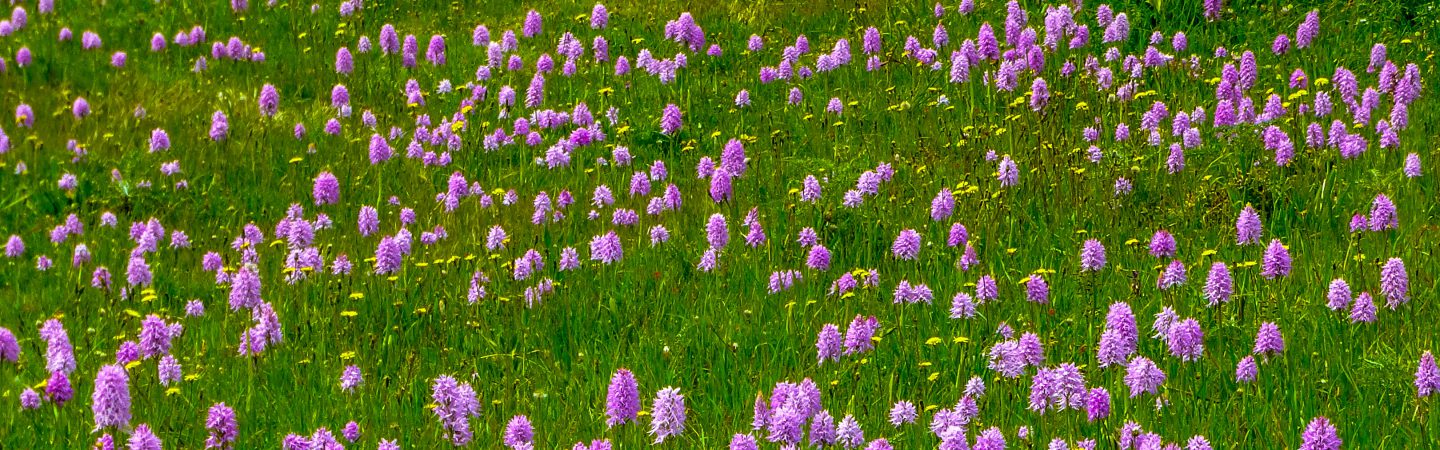
The structure of Grasses
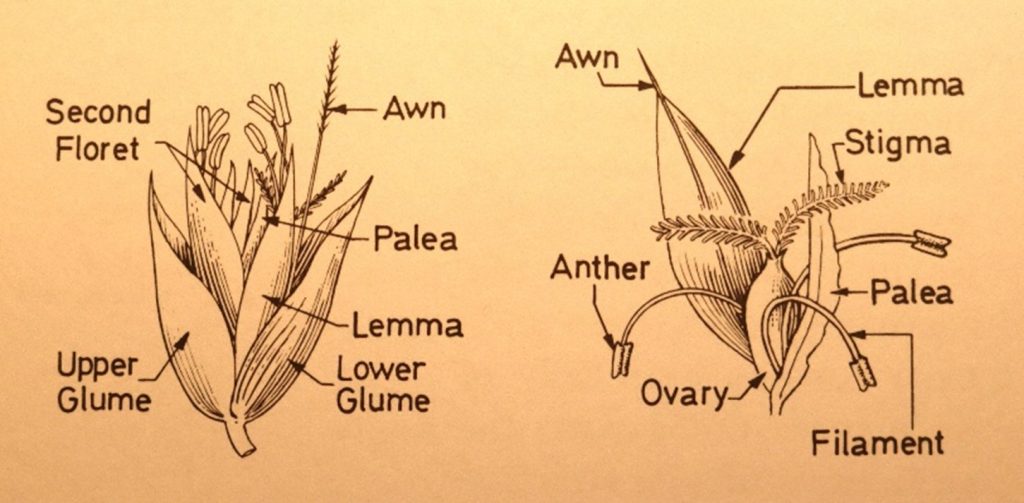
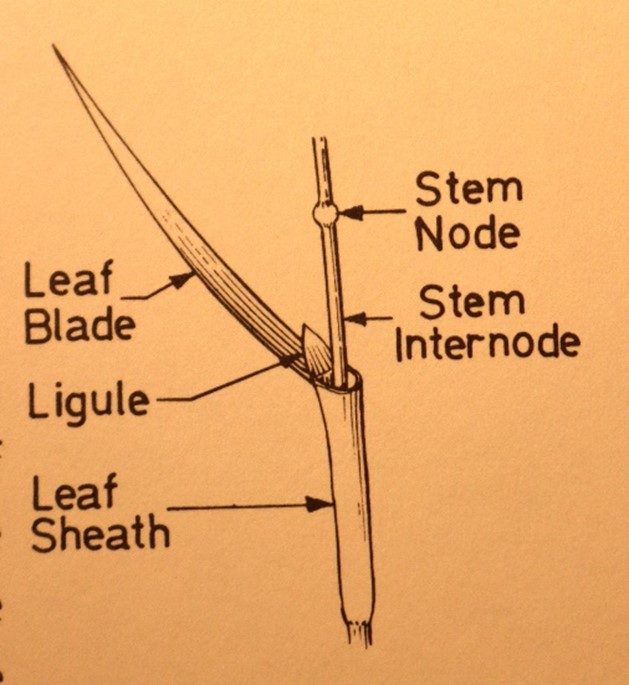
Grasses have complex flowers, but when studied with a hand lens a basic structure can be recognised. The flowers of grasses are organised in spiklets with a whole flower head consisting of a number of spiklets. Each spiklet may contain one, two or more flowers, and in some cases contains a mixture of fertile and infertile florets.
At its base each spiklet has two scales which more or less enfold the spiklet. These scales, replacing sepals in other flowers, are called glumes. Inside the glumes are the florets, each of which consists of two more scales, called the lemma and the palea. These in turn enclose the styles and the stamens. An additional, often important feature are awns, long needle-like points which arise from these scales. These characteristics can be recognised in the two diagrams above.
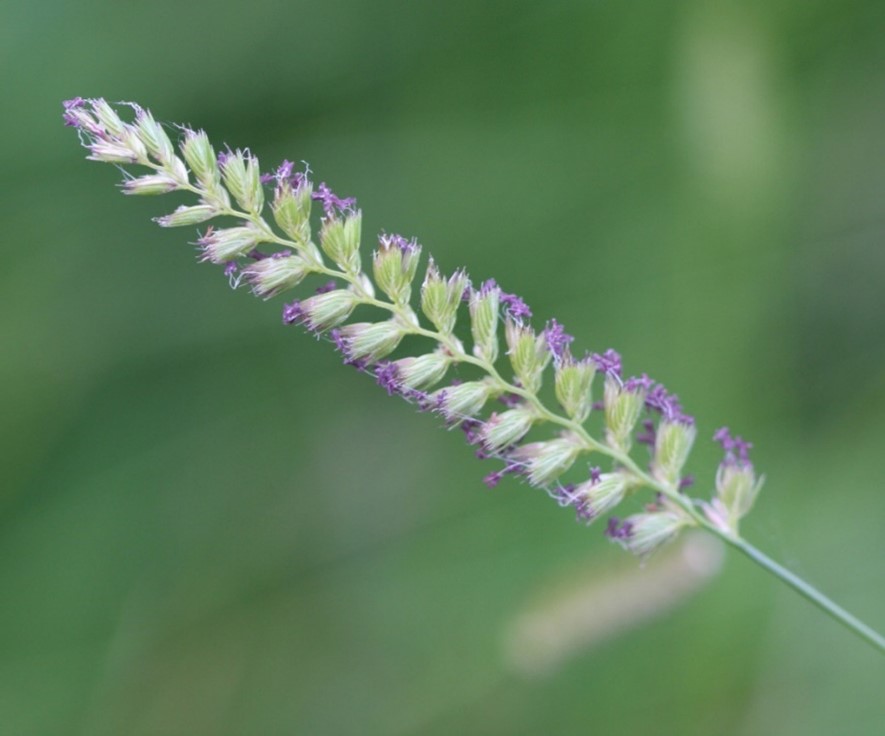
These spiklets are borne in a number of different types of inflorescence which can be simply arranged along the stalk in a spike, but are more often in branching heads called panicles. These vary from loose spreading to a very dense head, or even one-sided, as in the Crested Dogstail.
(Notes taken from Grasses of Britain and northern Europe by Richard and Alastair Fitter.)
Gramineae
Agropyron repens.

Alopecurus pratensis.

Alopecurus pratensis. Meadow Foxtail.

Arrhenatherum elatius.

Avena sterilis.

Avenula pubescens.

Brachypodium sylvaticum.

Briza maximus.

Briza media
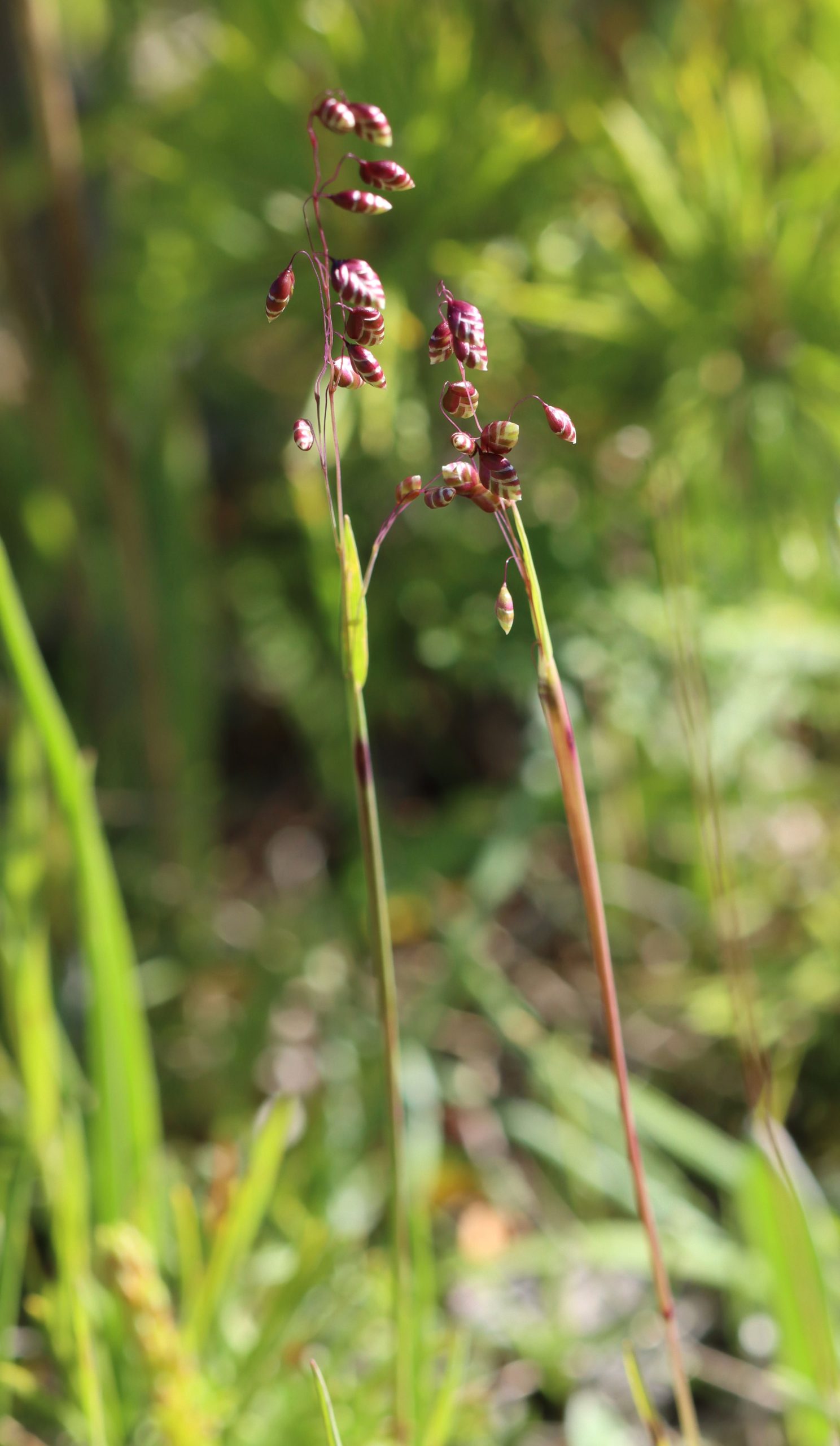
Bromus erectus.

Bromus hordeaceus
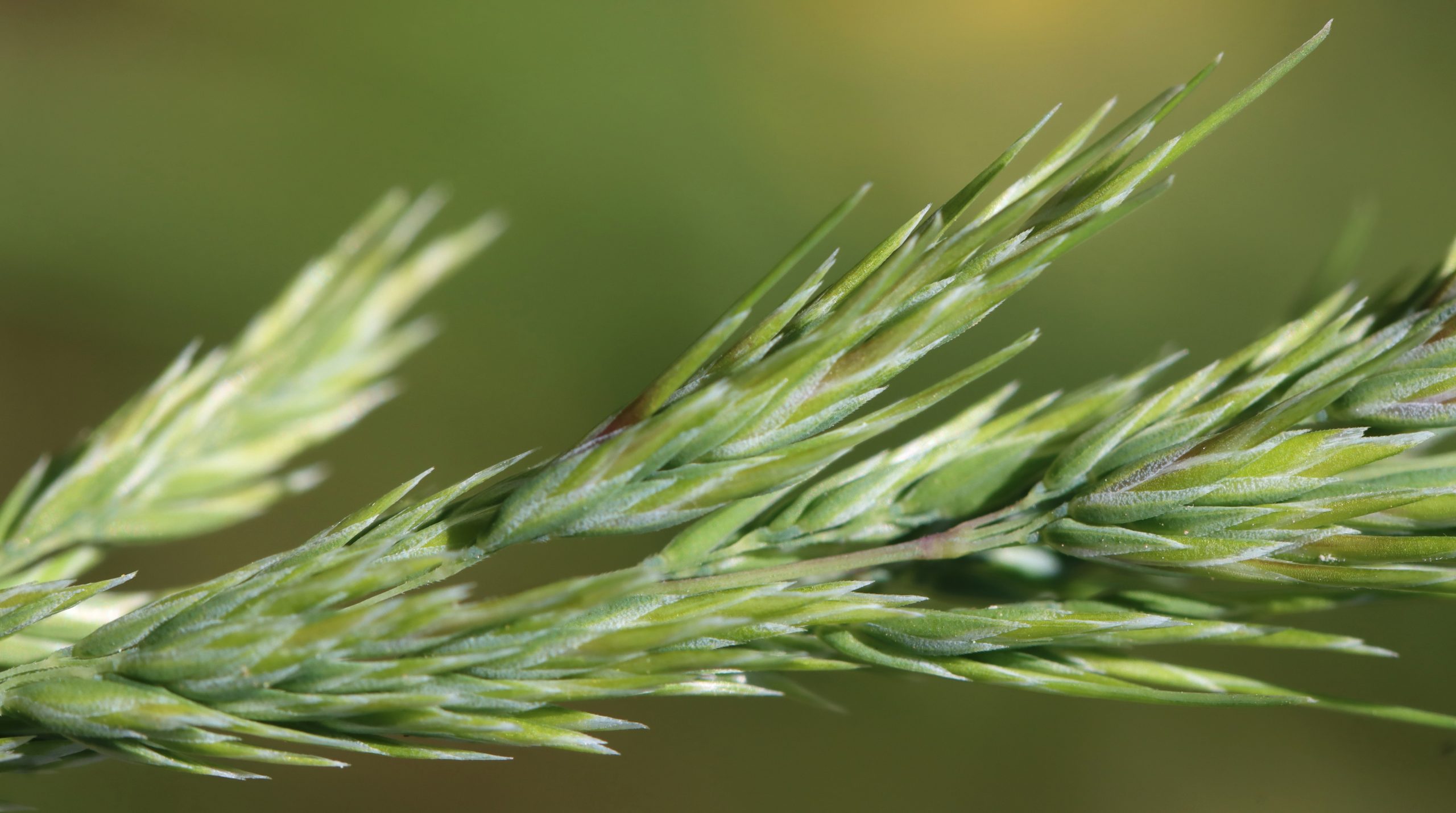
Bromus scoparius.

Bromus sterilis.

Bromus tectorum.

Chrysopogon gryllus
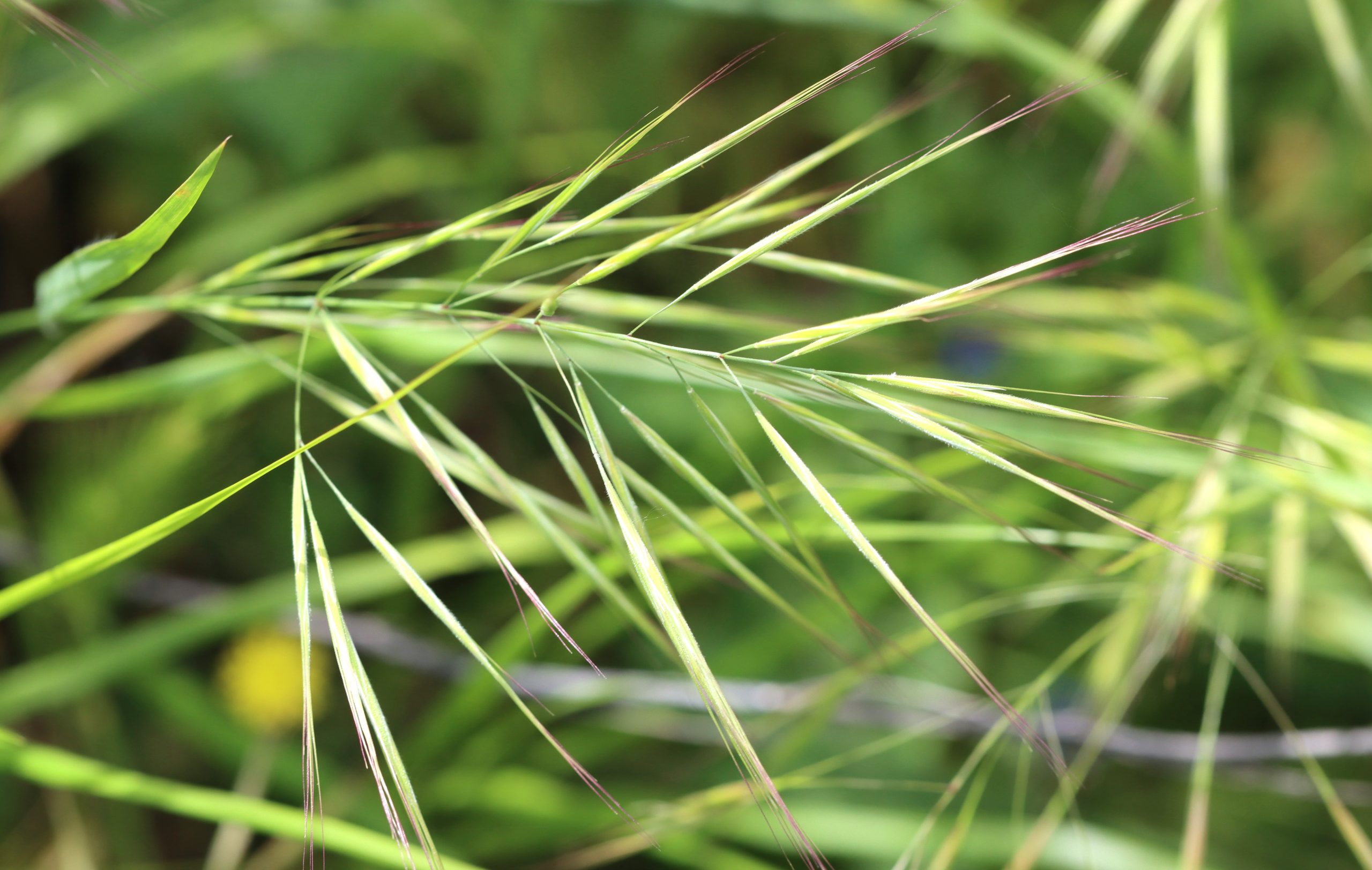
Cynodon dactylon.

Cynosurus cristatus.

Cynosurus echinatus.

Dactylis glomerata.

Echinochloa crus-galli.

Eriophorum angustifolium. Common Cotton Grass.

Holcus lanatus.

Hyparrenia hirta
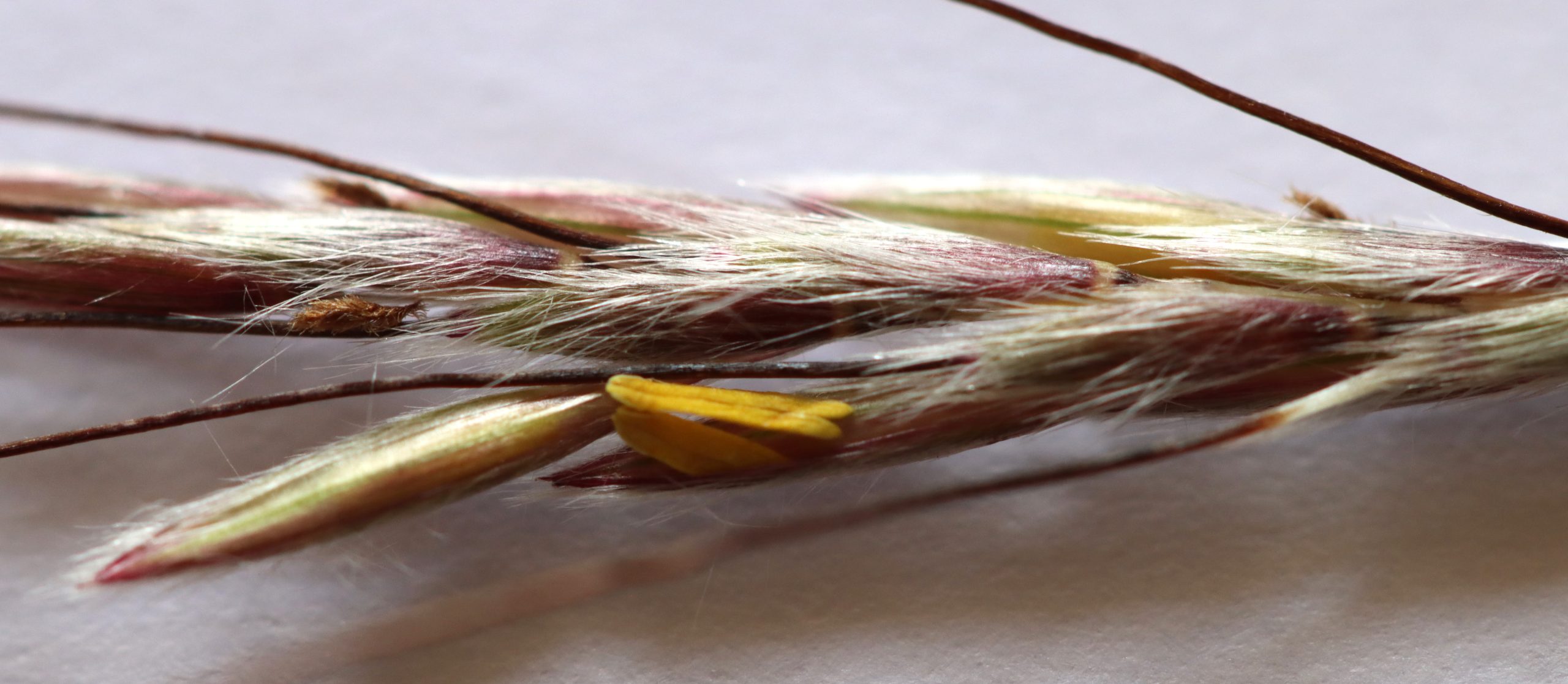
Lamarkia aurea.

Leymus arenarius. Lyme Grass.

Lolium rigidum.

Phleum nadosum.

Phleum pratense.

Phragmites australis.

Poa pratensis.

Poa timoleontis.

Polypogan monspeliensis.

Puccinellia festuciformis convoluta.

Secale montanum.

Setaria viridis.

Sorghum halepense.

Stipa bromoides.

Stipa pennata.
