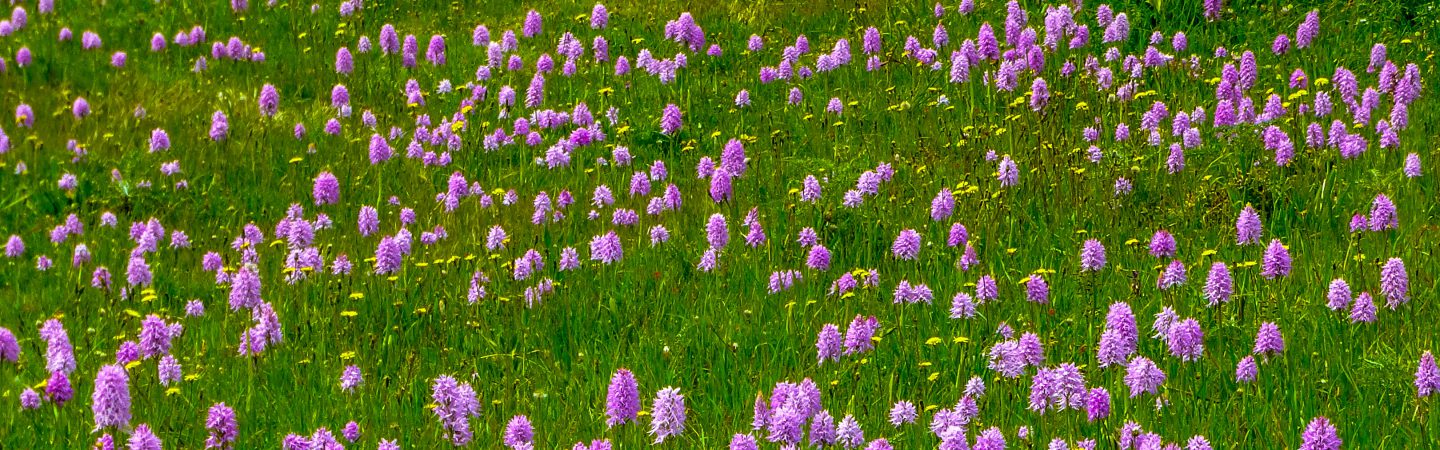
The Evolution of the genus Ophrys
A research thesis presented in the New Phytologist in 2014 has provided the basis of this study. It studied ‘the multiple shifts to different pollinators which fuelled rapid diversification in Ophrys’. Six nuclear regions were sequenced to reconstruct the phylogeny of 37 species of Ophrys and it questioned whether the evolution of sexual deception represented the key innovation that caused the apparently fast and recent evolution of this genus. Further references from other research groups and individuals are included.
It was established with DNA studies that the earliest orchid existed some 90 million years ago in the ancient, northern sub-continent of Laurasia. This ancient continental land mass in the northern hemisphere included what is now North America, Europe, and Asia. It has been suggested that all bee orchids had one common ancestor and is thought that South-east Asia has been the region with the highest diversification rates.
Precise dates remain unknown but more recent studies confirm the evolution of pollinators as a crucial factor, with complex patterns within the common compounds of the scent from which plants have evolved through mutations. These compounds slowly adapted to the specific pheromones of individual insects, culminating in sexual deception and pseudo-copulation.
The Evolution of the genus Ophrys
A research thesis presented in the New Phytologist in 2014 has provided the basis of this study. It studied ‘the multiple shifts to different pollinators which fuelled rapid diversification in Ophrys’. Six nuclear regions were sequenced to reconstruct the phylogeny of 37 species of Ophrys and it questioned whether the evolution of sexual deception represented the key innovation that caused the apparently fast and recent evolution of this genus. Further references from other research groups and individuals are included.
It was established with DNA studies that the earliest orchid existed some 90 million years ago in the ancient, northern sub-continent of Laurasia. This ancient continental land mass in the northern hemisphere included what is now North America, Europe, and Asia. It has been suggested that all bee orchids had one common ancestor and is thought that South-east Asia has been the region with the highest diversification rates.
Precise dates remain unknown but more recent studies confirm the evolution of pollinators as a crucial factor, with complex patterns within the common compounds of the scent from which plants have evolved through mutations. These compounds slowly adapted to the specific pheromones of individual insects, culminating in sexual deception and pseudo-copulation.
In the taxa examined, Ophrys insectifera is dated to approximately some 5 million years in the Pliocene period, when it is thought that wasps were the chief pollinators. The Mediterranean basin was flooded at this time, however in the last 3 million years Eucera bees evolved as pollinators with O. bombyliflora and O. speculum featuring amongst the next early species to emerge. In the last 1.5 million years a rapid expansion of species resulted in Andrena bees emerging as the main pollinators. In this Quaternary period many other insect species also appeared.
The two most species-rich groups of Ophrys, the O. fusca and O. sphegodes groups, simultaneously diversified only in the last 1 million years with their independent adoption of first, Eucera and later Andrena bees for pollination in both these two groups at around the same time. This is recognised as an example of convergent/parallel ecological speciation. (cf Ostevik. et al, 2012).
The Andrena bee, in the family Andrenidae, has evolved into some 1500 species, with 400 in Europe. They appear ‘furry’ in appearance with notably hairy thoraxes, faces and legs, features that would be ideal for collecting minute orchid pollen. The attracting landing pad of the orchid lip is further aided by the direction of small hairs with some pollinators collecting with their foreheads with other species directing the insect to reverse its position and so collect pollen with their abdomen.
The study suggested that when Andrena bees became the prominent pollinator they pollinated some 85% of the O. fusca group, and some 43% of the O. sphegodes, scolopax and holiserica taxa groups and it also estimated there was a far lower diversification rate in linages with Eucera wasps than those with Andrena and other bee pollinators. It has also established that net diversification rates of the Andrena pollinator species are more than five times higher than rates of Eucera, and other wasp pollinator groups.
Geographically, in this last evolutionary period the sea level declined in the Mediterranean area, the climate stabilised and with coastal line expansion there evolved new species in Greece, Italy, particularly Sicily and Sardinia with species endemic to these areas which include Ophrys morisii, passionis, bertolonii and lunulata. The Atlantic coast of Spain also saw new endemic taxa which includes Ophrys arachnitiformis. The formation of a niche-rich mosaic of habitats characterising the present-day Mediterranean, featuring its numerous islands and mountains, may well have promoted diversification of Mediterranean bee genera.
The study concluded ‘that the results of phylogenetic and dating analysis which were based on multiple nuclear genes were found to be relatively congruent with previous studies in sequencing by Devey, et al in 2008, and by Inda, et al in 2012’.
In his book The Orchids of Cyprus, Yiannis Christofides writes that ‘Orchids are one of the most widespread family of plants. They are found in very diverse environments, from the tropics to the Arctic circle. Despite their ability to have adapted to such very different environments, they are plants which require stable environmental conditions’. The Orchid family has more species worldwide than the bird kingdom.
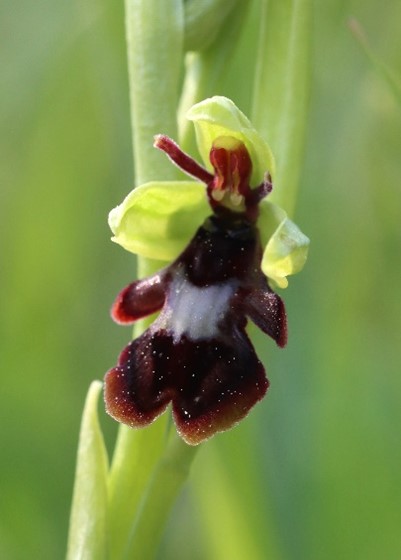
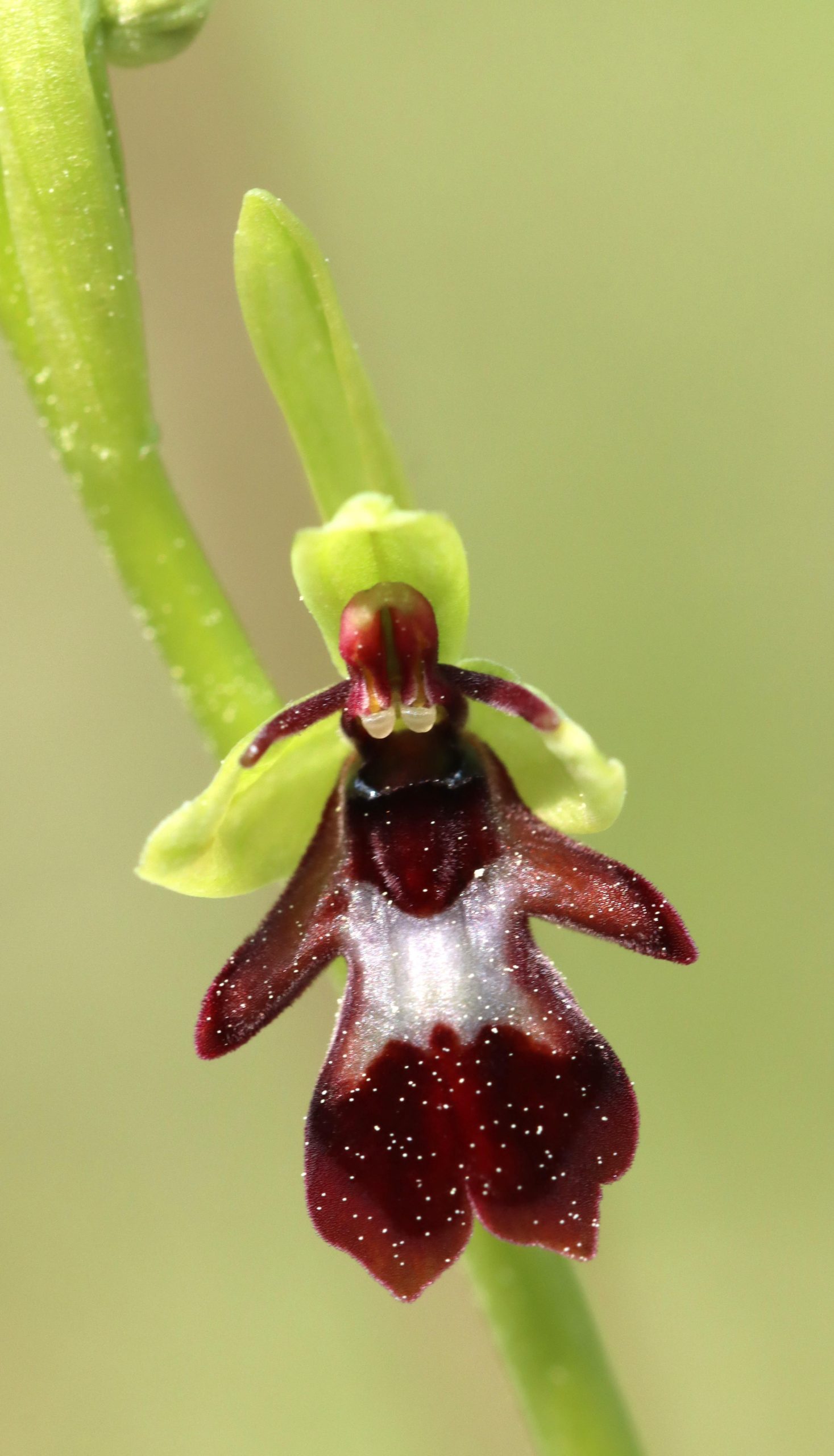
Male insects emerge before females and are anxious to produce the next generation. Ophrys have evolved in offering various means of attraction to insects with several species offering a reward with nectar with its accompanying scent. These include the taxa groups Gymnadenia and Anacamptis. Many species do not offer nectar and attract a pollinator by visual deceit with the lip providing a landing site. Ophrys insectifera even resembles a possible female insect, arguably the most insect-like in the whole genus with many Ophrys having pseudo eyes and narrow sepals resembling wings. It is the earliest of Ophrys to appear, certainly within the species studied.
Undoubtably the most effective attractant to pollinators is olifactory signals, with Ophrys having evolved to produce scents resembling similar pheromones to those produced by female insects. A remarkable evolution of natural selection in the natural world.
In a summing-up by Feuster, et al. 2004, ‘it can be recognised that different compositions of floral nectar, scent, colour and structure, and countless combinations of these traits allowed the evolution of different, sometimes highly specialised pollinator syndromes’. Much discussion and research on pollinator specificity shows that many Ophrys seem to have a single pollinator, with other plants sharing various insect species.
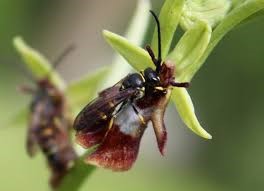
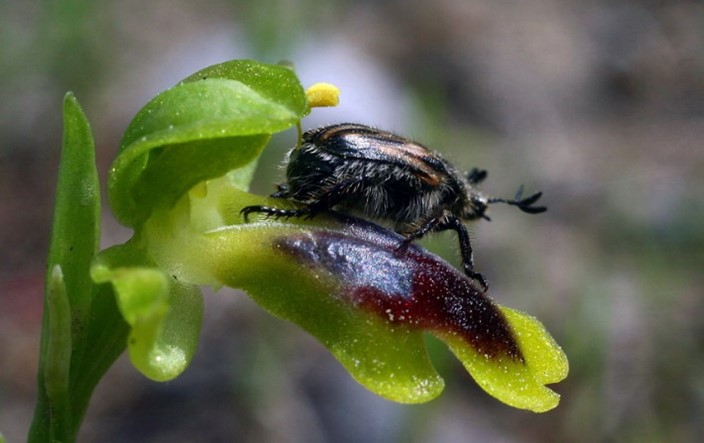
Examples of this can be seen in the variants of pollinators of O. speculum and O insectifera which are thought to be pollinated by two wasps, Argogorytes mystaceus and A. fargei, and Ophrys sphegodes which is thought to have three pollinators, (Delforge 2006). Ophrys blitopertha, as far as is known, is unique in the genus and pollinated by a Scarab (chafer) beetle, Blitopertha lineonata. At least in Europe only Cypripedeum calceolus traps insects in its unique lip with the insects escaping through exit points at the back of the lip. A singular exception, certainly to European taxa is Ophrys apifera which is thought to almost exclusively self-pollinate. This has proved to be a successful mechanism, but occasionally self-fertilisation can produce a less genetically stable plant, producing some eight recognised variants, with further aberrations.
Species numbers in Ophrys have been the subject of much debate. Macro species now range from 10 to 19, with subspecies numbering a possible 75 with Pederson & Faurhold, 2007, to some 250 species adopted by P. Delforge, 2006, whose approach has often been described as geographical. Christofedes wrote that ‘some authors treat most of the variants as subspecies, with others treating these subspecies, as species in their own right’. It is thought that this late diversification may have been driven by species range expansion, or by ecological opportunities by new pollinator groups, Xu et al, 2012. This important research from the New Phytologist also suggests that it should be considered that taxonomic over-splitting may lead to artificially elevated diversification rate estimates.
Sources
- A research essay on the ‘Multiple shifts to different pollinators’. New Phytologist. 2014.
- 2 Orchids of Europe. Delforge. 2006.
- Ophrys of Europe. Pederson/Faurholdt. 2007.
- Orchids of Britain and Ireland. Anne and Simon Harrap. 2005.
- The Orchids of Cyprus. Y. Christofides. 2001.
Ophrys
Ophrys alasiatica

Ophrys apifera

Ophrys apifera var chlorantha

Ophrys argolica

Ophrys argolica ssp. lucis

Ophrys attaviria var. cesmeensis

Ophrys bertolonii
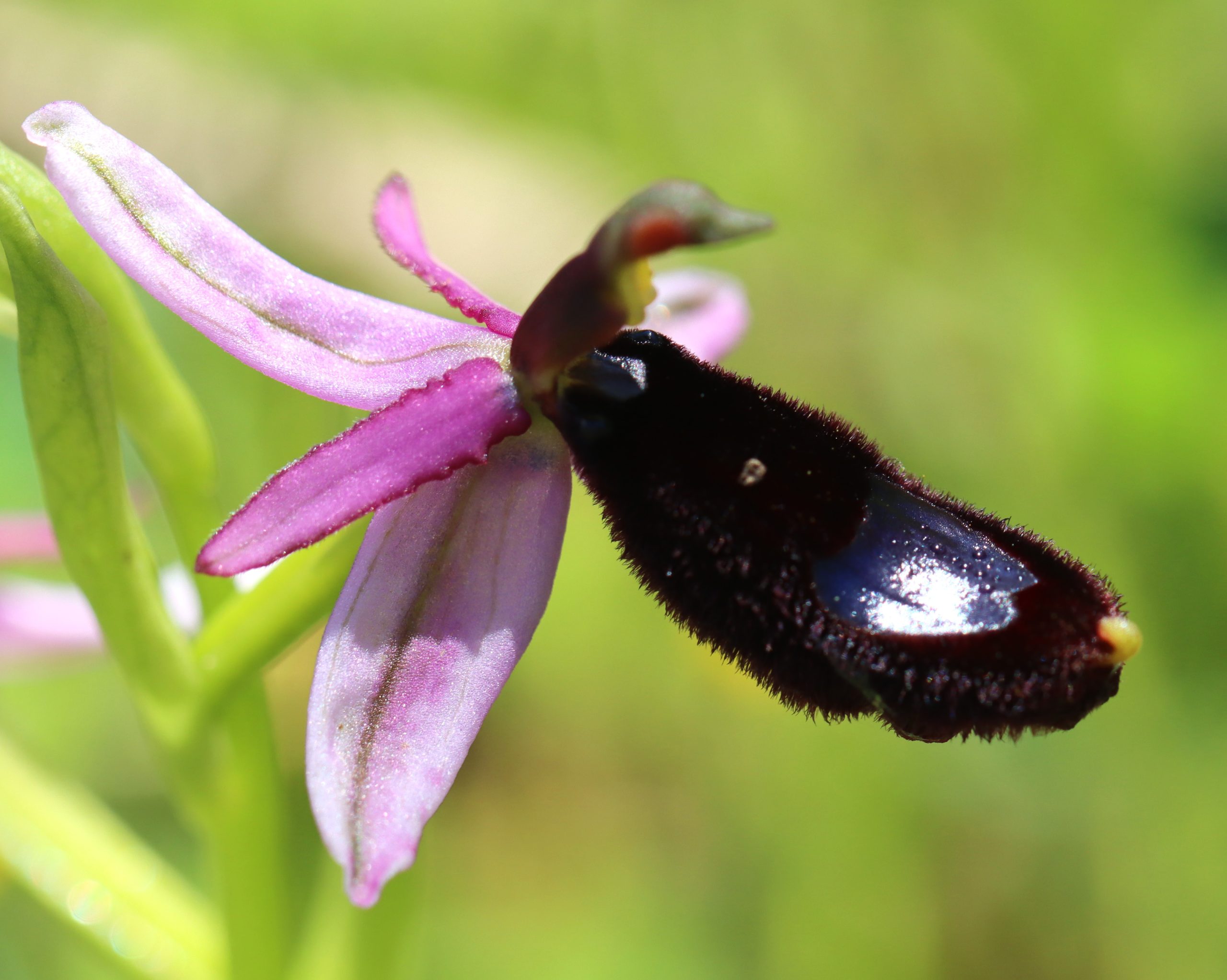
Ophrys biancae.
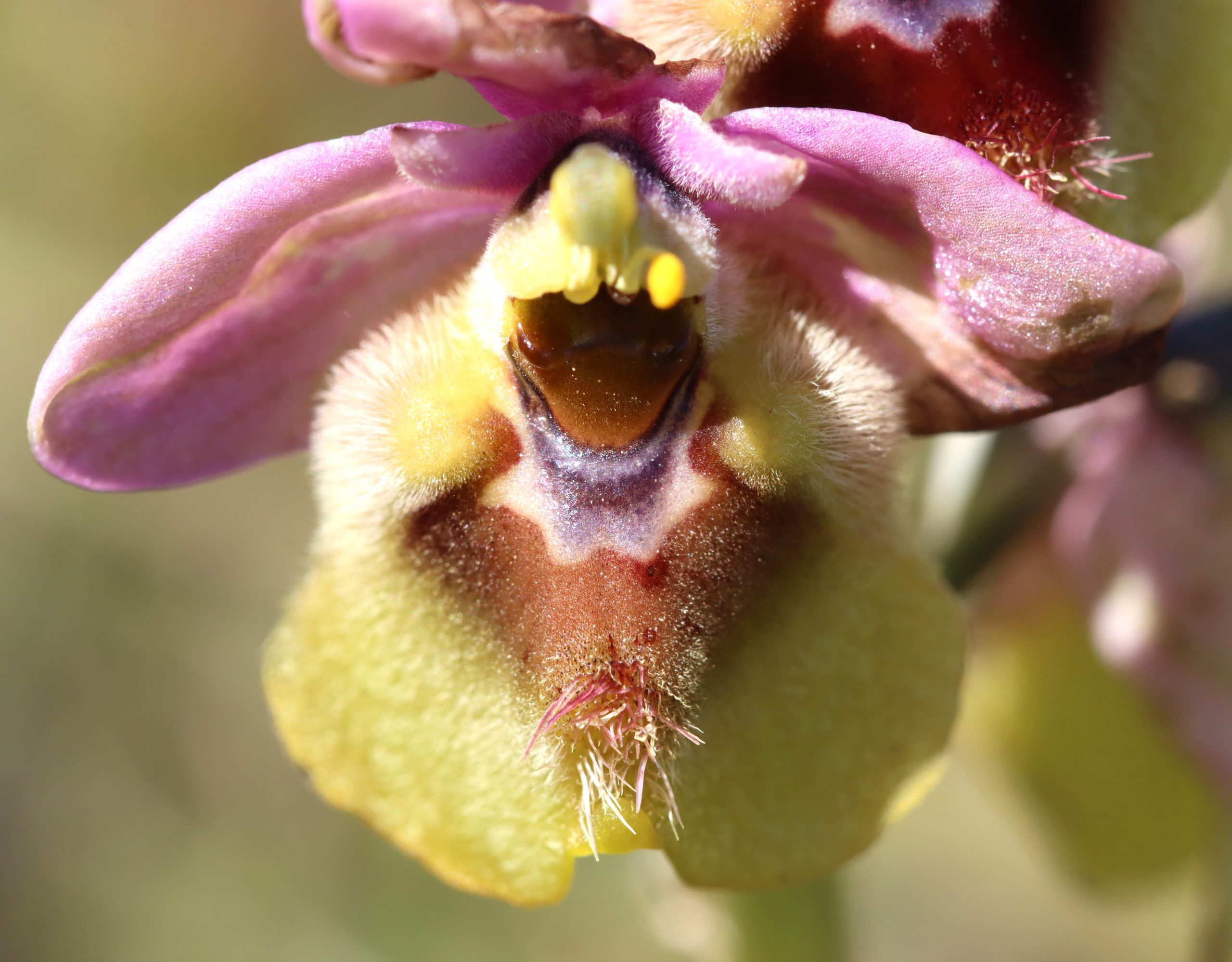
Ophrys blitopertha (Chios)

Ophrys blitopertha (Crete)

Ophrys bombyliflora

Ophrys bornmuelleri

Ophrys calliantha.
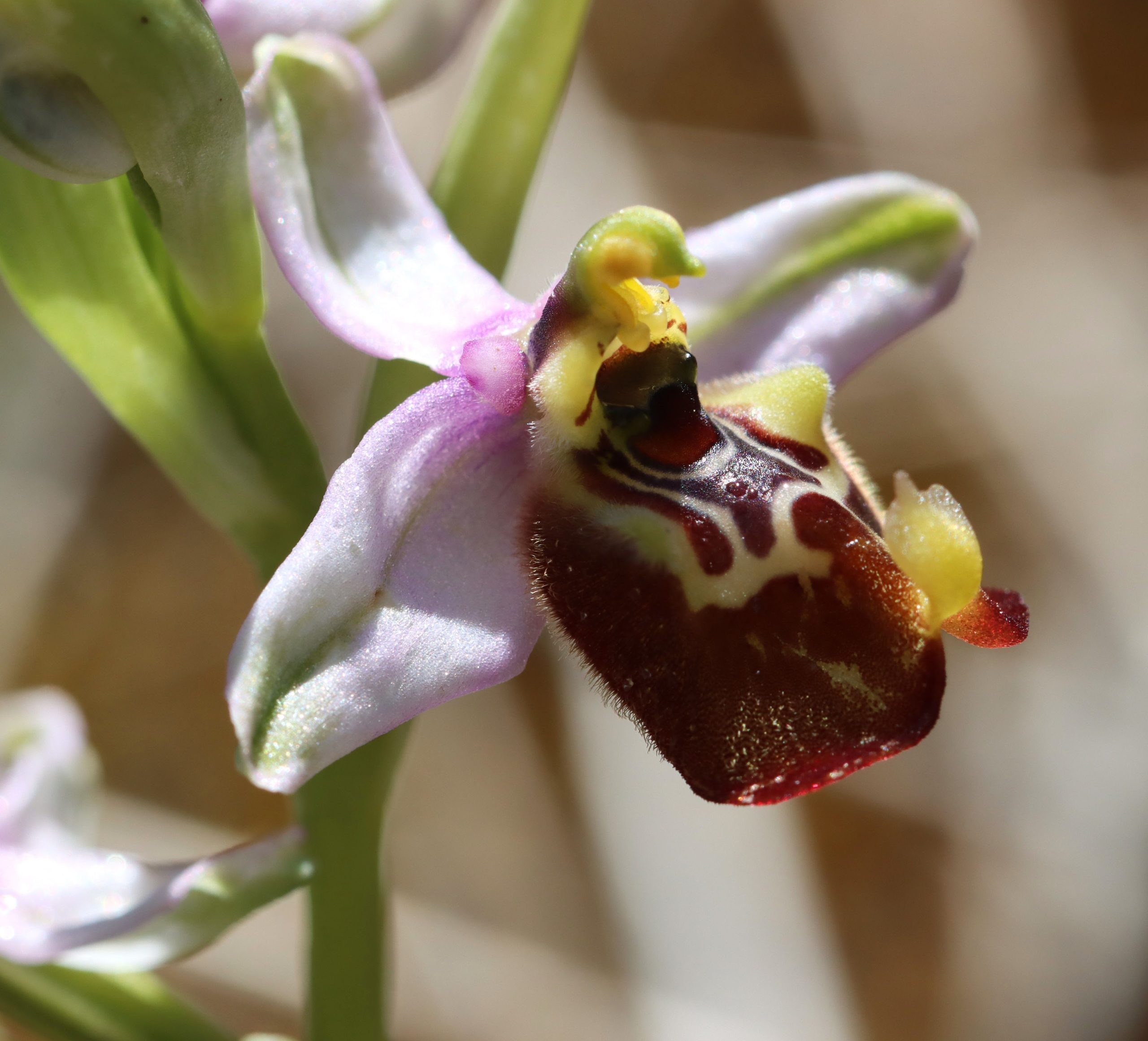
Ophrys candica ssp. candica

Ophrys cerastes var minuscula

Ophrys cesmeensis

Ophrys cretica ssp. ariadne

Ophrys cretica ssp. beloniae

Ophrys cretica ssp. cretica

Ophrys delphinensis

Ophrys dodekanensis

Ophrys elegans

Ophrys episcopalis

Ophrys exaltata.
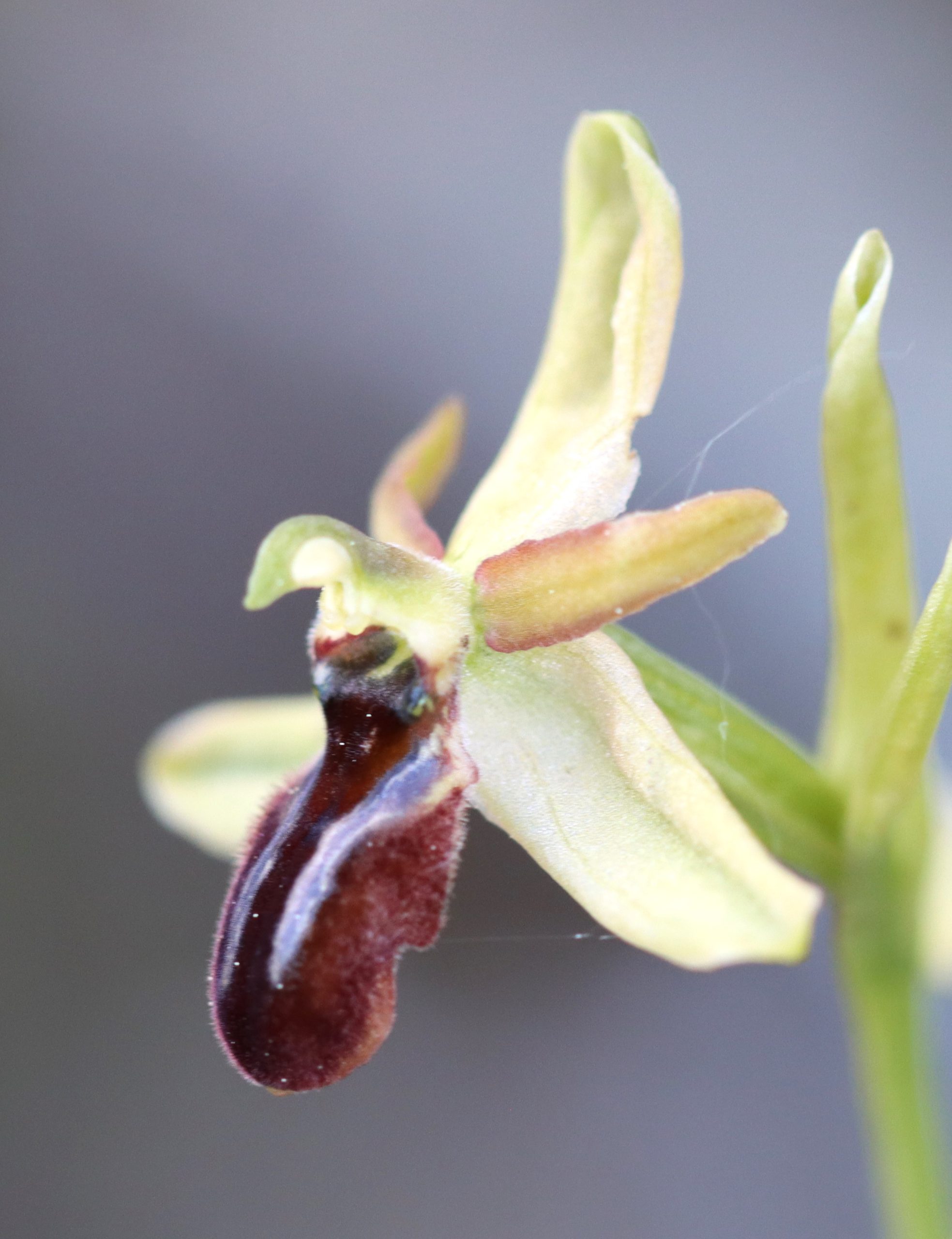
Ophrys explanata
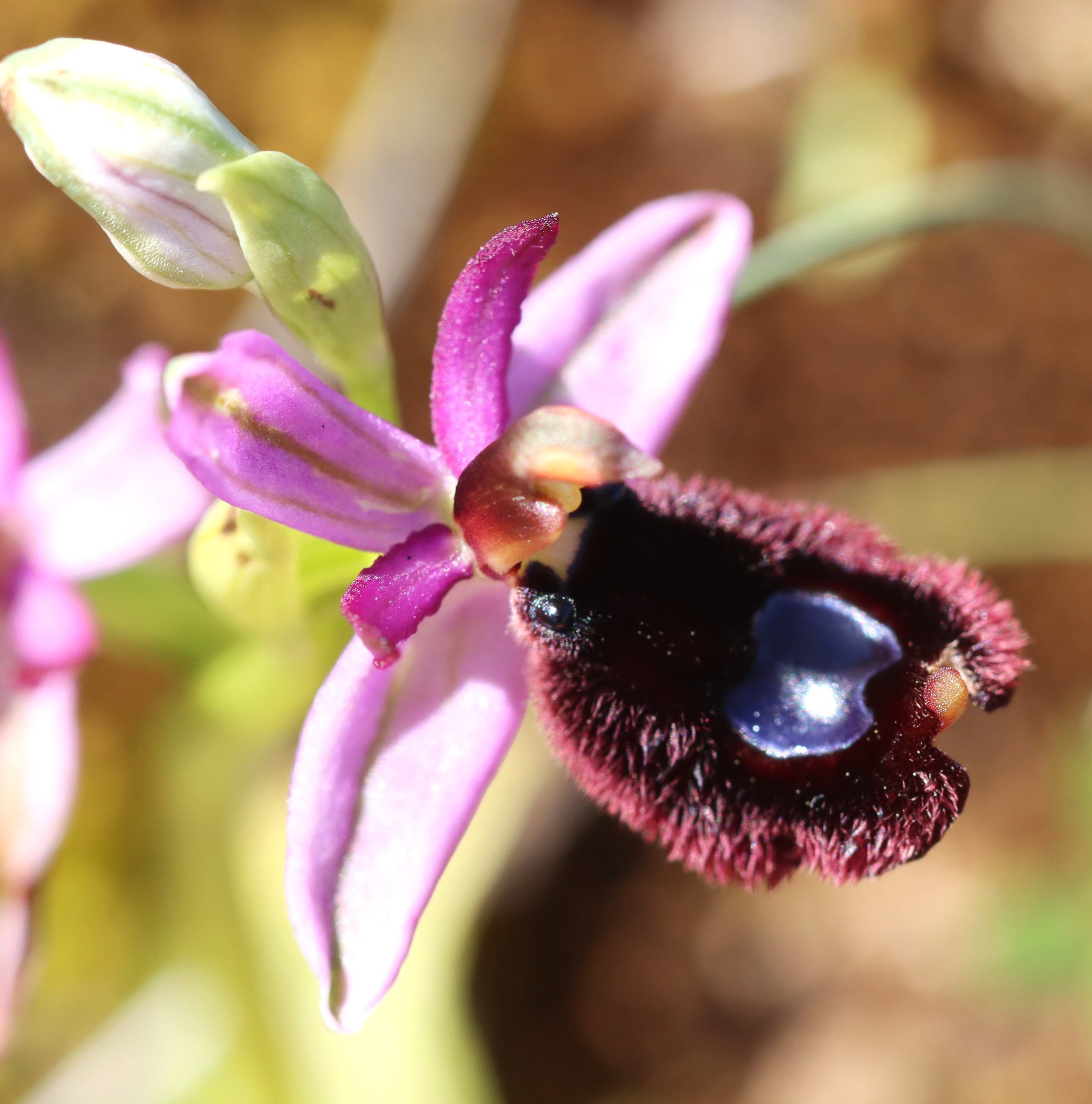
Ophrys explanata.
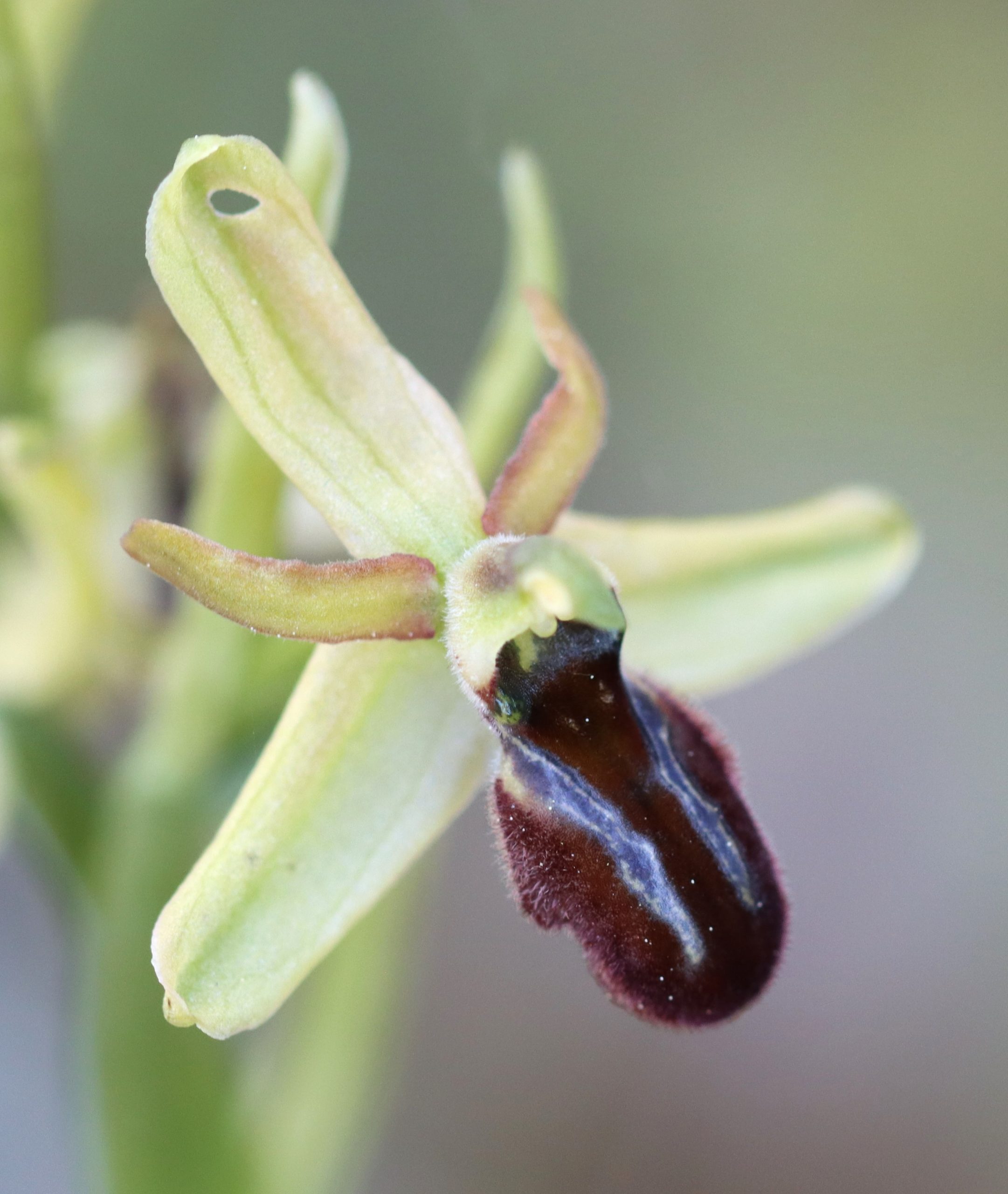
Ophrys ferrum-equinum

Ophrys flammeola.
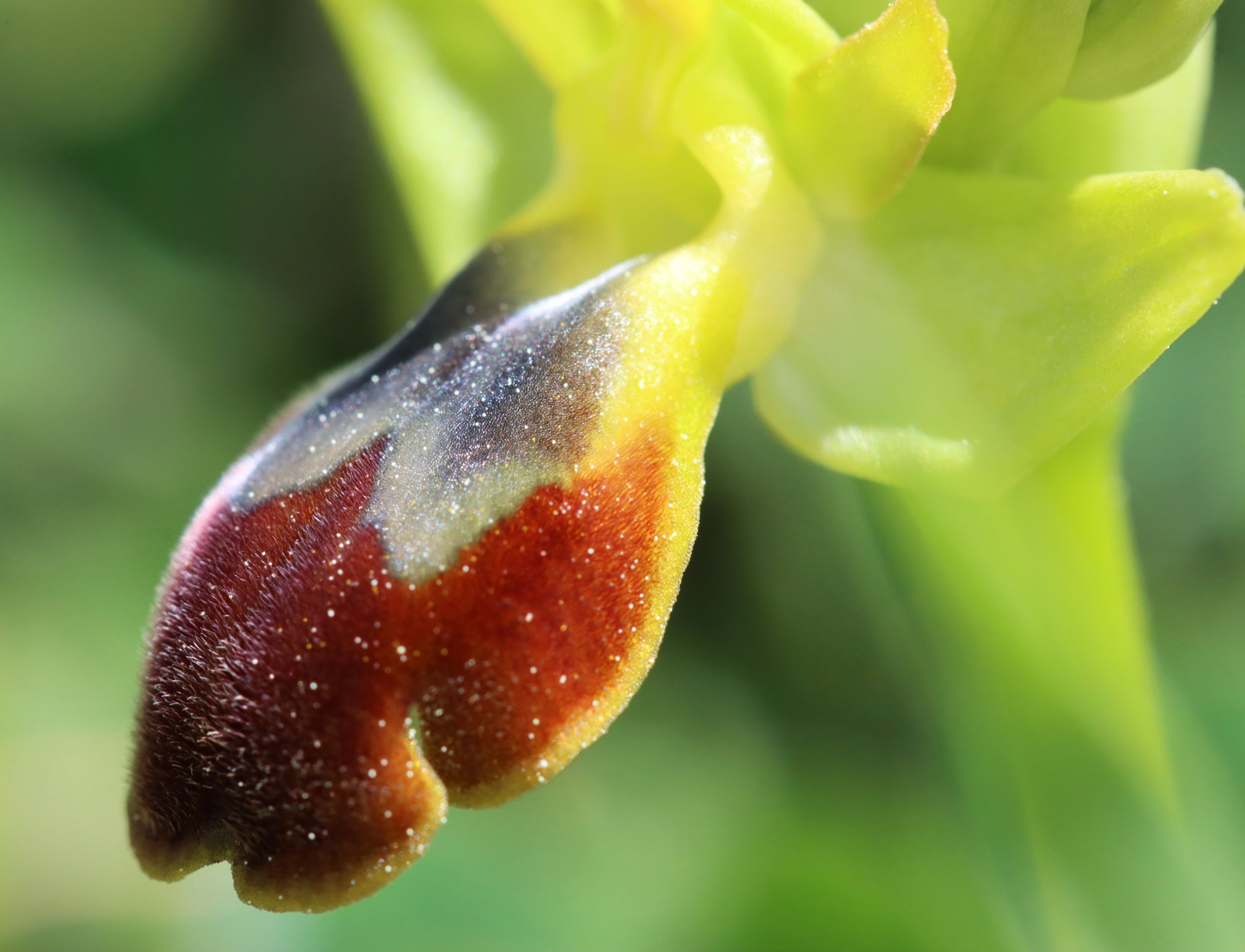
Ophrys flavomarginata

Ophrys fusca ssp. attaviria

Ophrys fusca ssp. calocaerina

Ophrys fusca ssp. cinereophila

Ophrys fusca ssp. creberima

Ophrys fusca ssp. eptapigiensis

Ophrys fusca ssp. funerea

Ophrys fusca ssp. leucadica

Ophrys fusca ssp. lindia

Ophrys fusca ssp. lucis

Ophrys fusca ssp. sancti-isidorii

Ophrys fusca ssp.cressa.

Ophrys fusca ssp.creticola.

Ophrys gortynia

Ophrys heldreichii ssp. calypsus

Ophrys heldreichii ssp. heldreichii

Ophrys heldreichii ssp. polyxo

Ophrys herae

Ophrys holoserica ssp halia

Ophrys homeri

Ophrys incubacae.
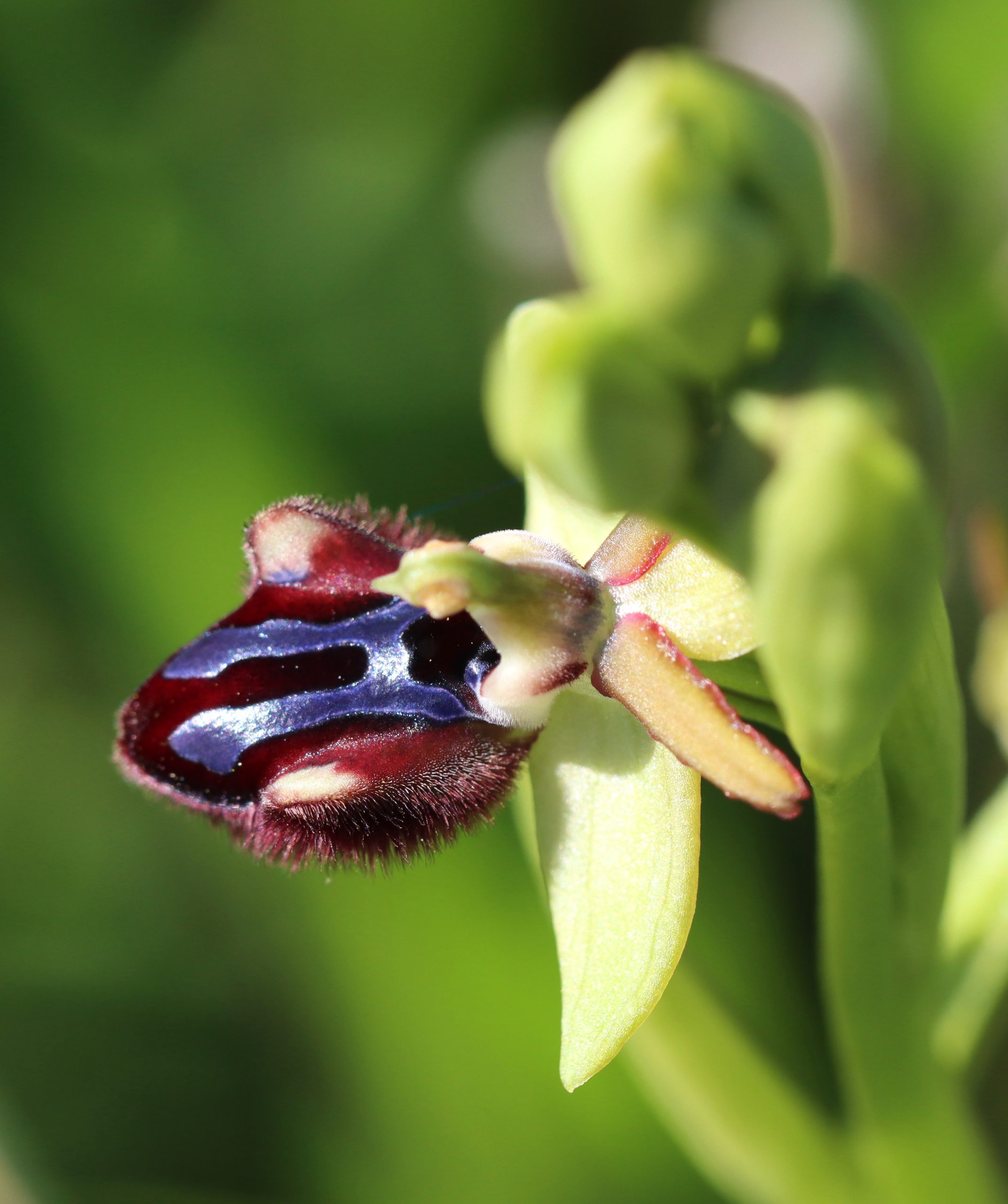
Ophrys insectifera. Fly orchid.
Ophrys iricolor

Ophrys israelitica

Ophrys kotschyi

Ophrys lapethica

Ophrys laurensis..
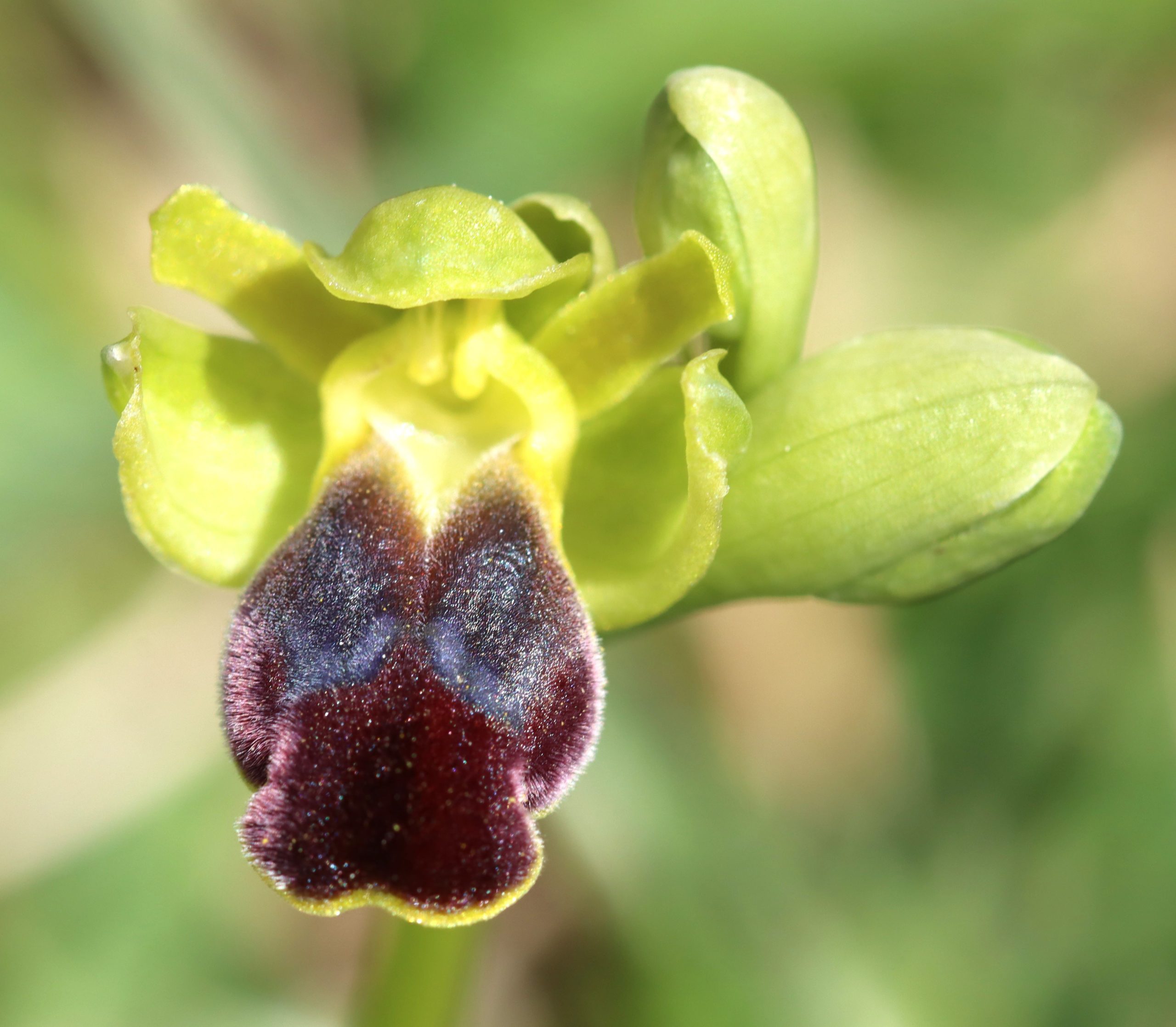
Ophrys leochroma

Ophrys lesbis

Ophrys levantina

Ophrys lucifera.
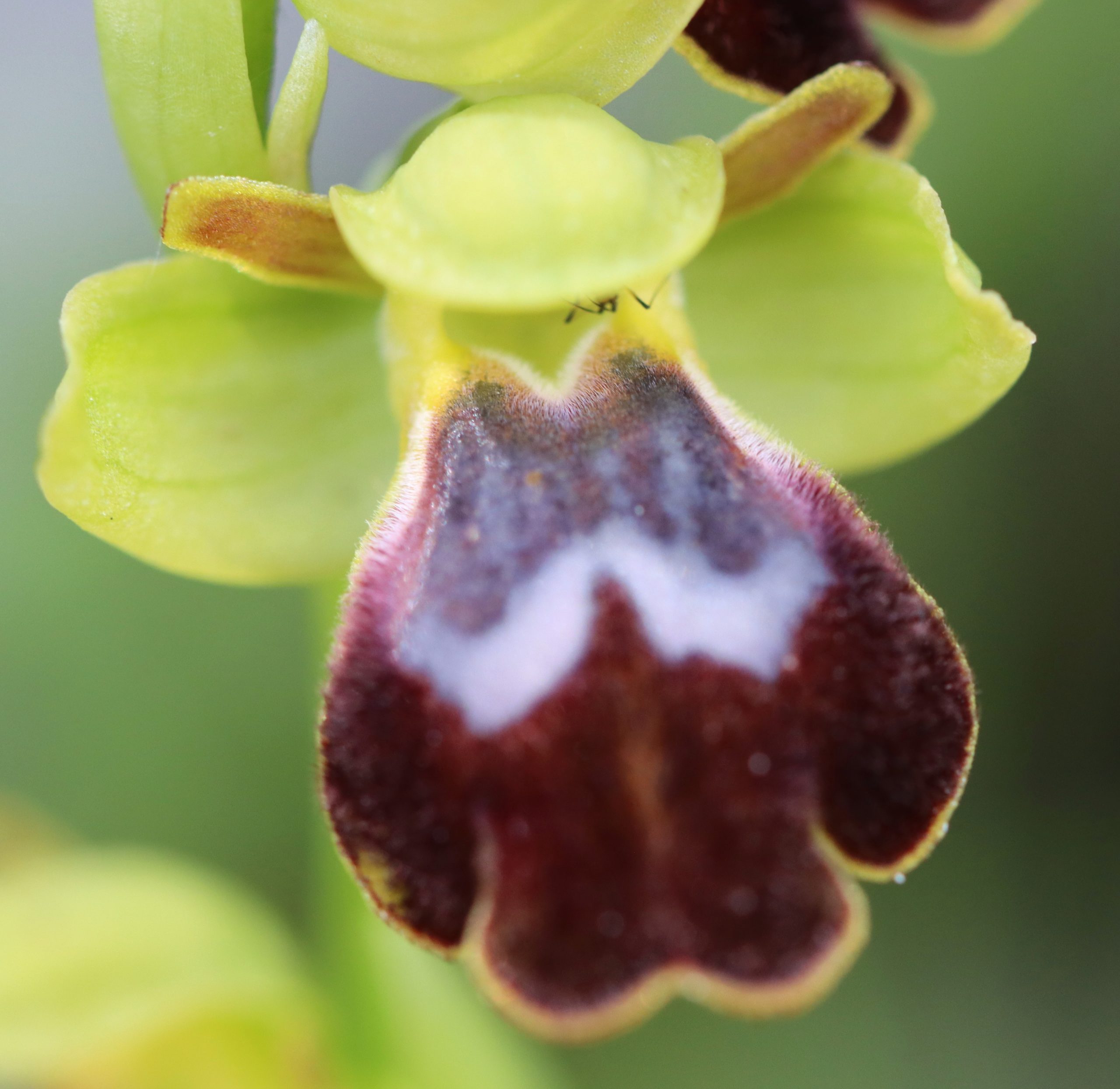
Ophrys lunulata.
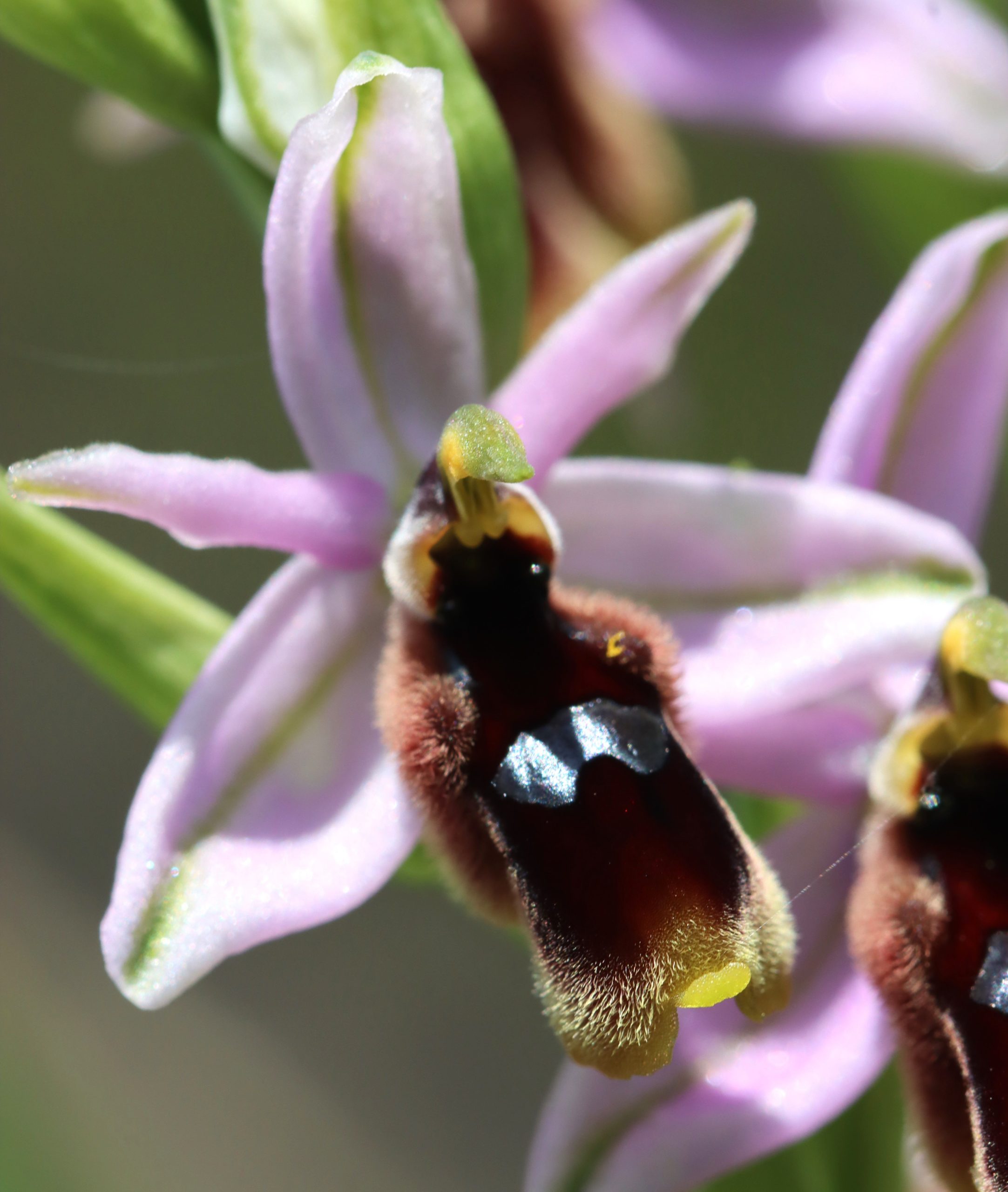
Ophrys lupercalis
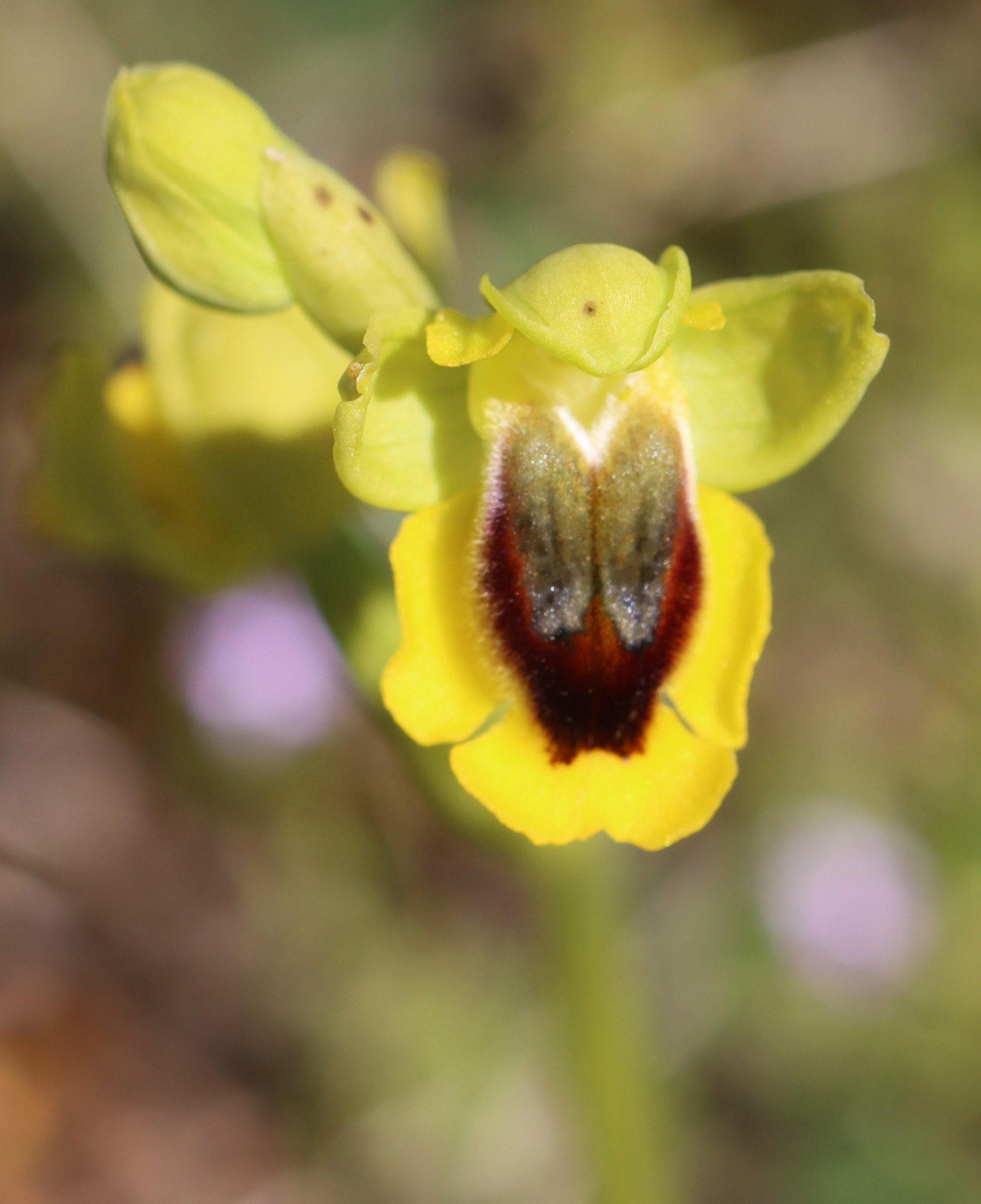
Ophrys lutea
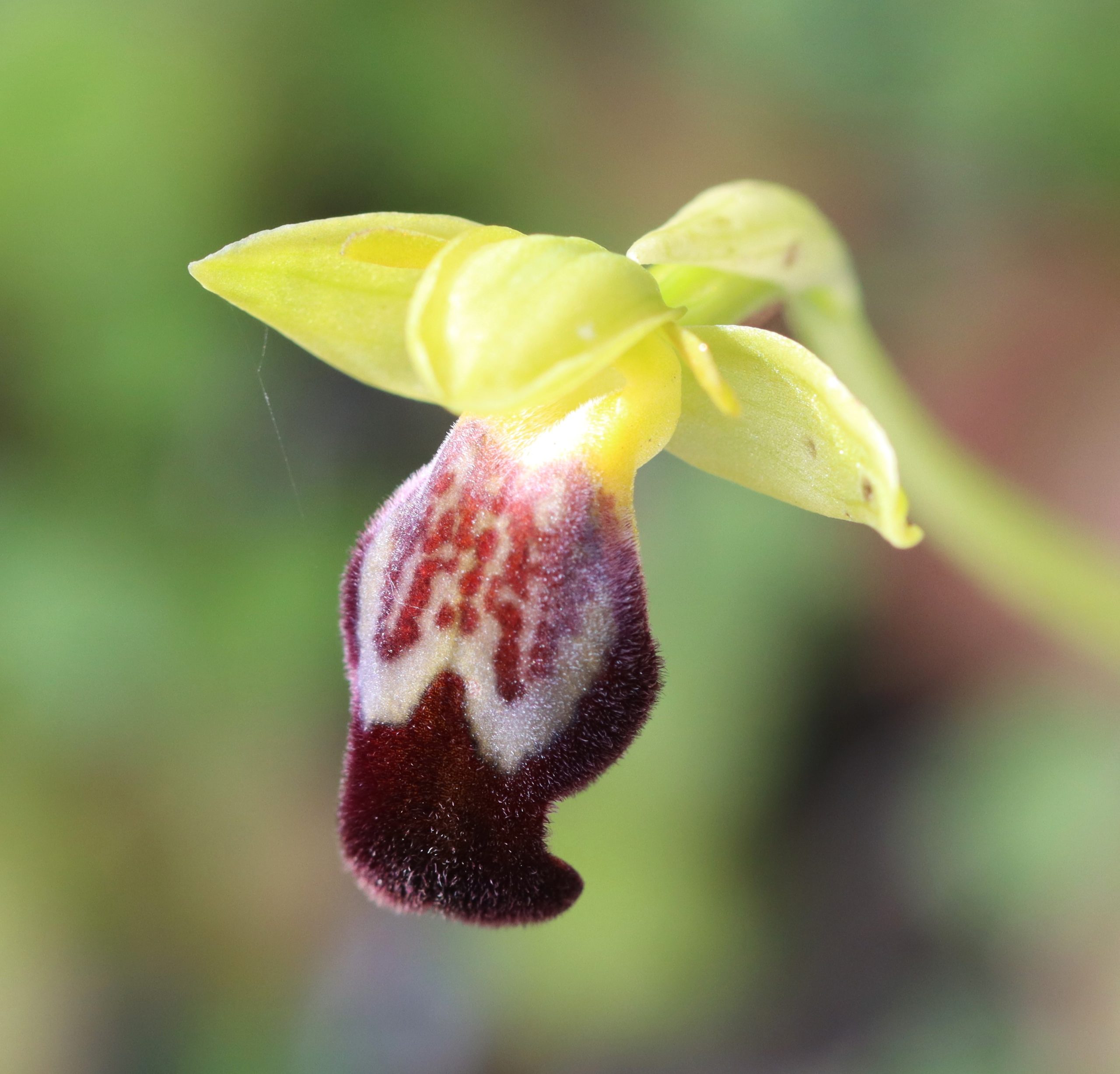
Ophrys lutea (hypochromatic).
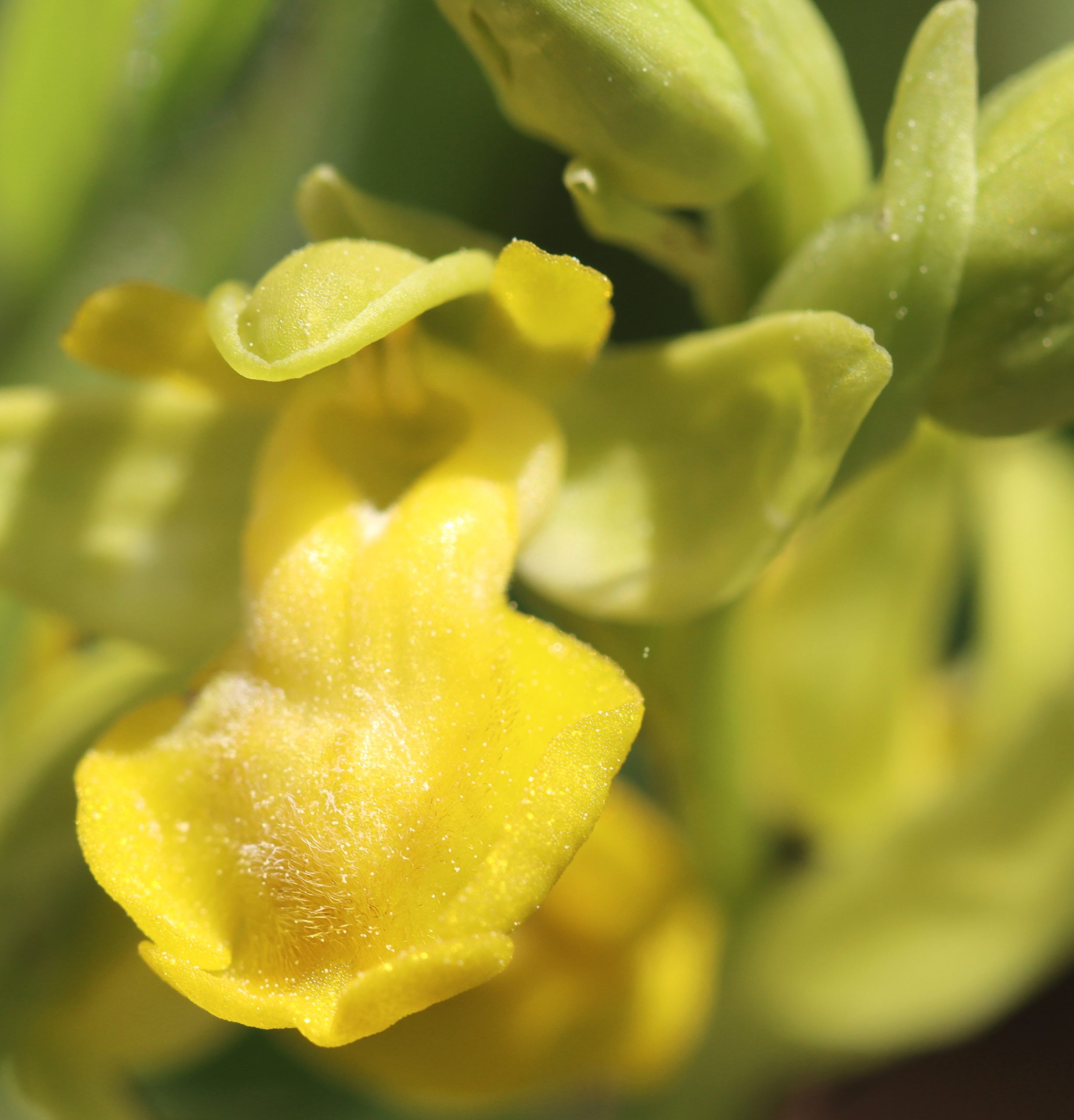
Ophrys lutea ssp. melena

Ophrys mammosa

Ophrys minutula

Ophrys oestrifera

Ophrys oestrifera ssp. cornutula

Ophrys oestrifera ssp. dodekanensis

Ophrys oestrifera ssp. oestrifera var alba

Ophrys oestrifera ssp.oestrifera

Ophrys omegaifera ssp. basilissa

Ophrys omegaifera ssp. fleischmannii

Ophrys omegaifera ssp. omegaifera

Ophrys omegaifera ssp. sitiaca

Ophrys orphanidea

Ophrys panormitana
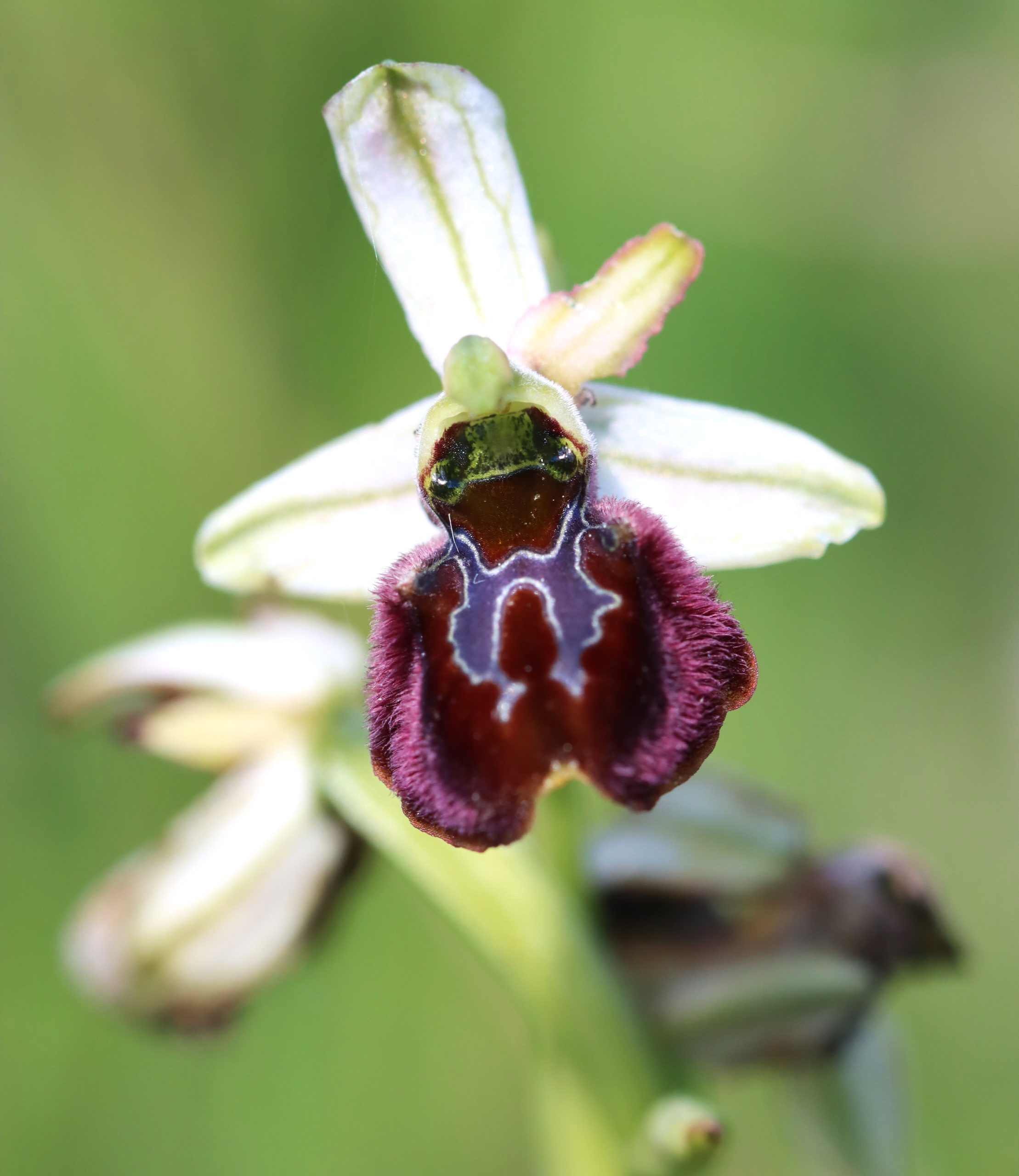
Ophrys parosica var phaseliana

Ophrys passionis var garganica
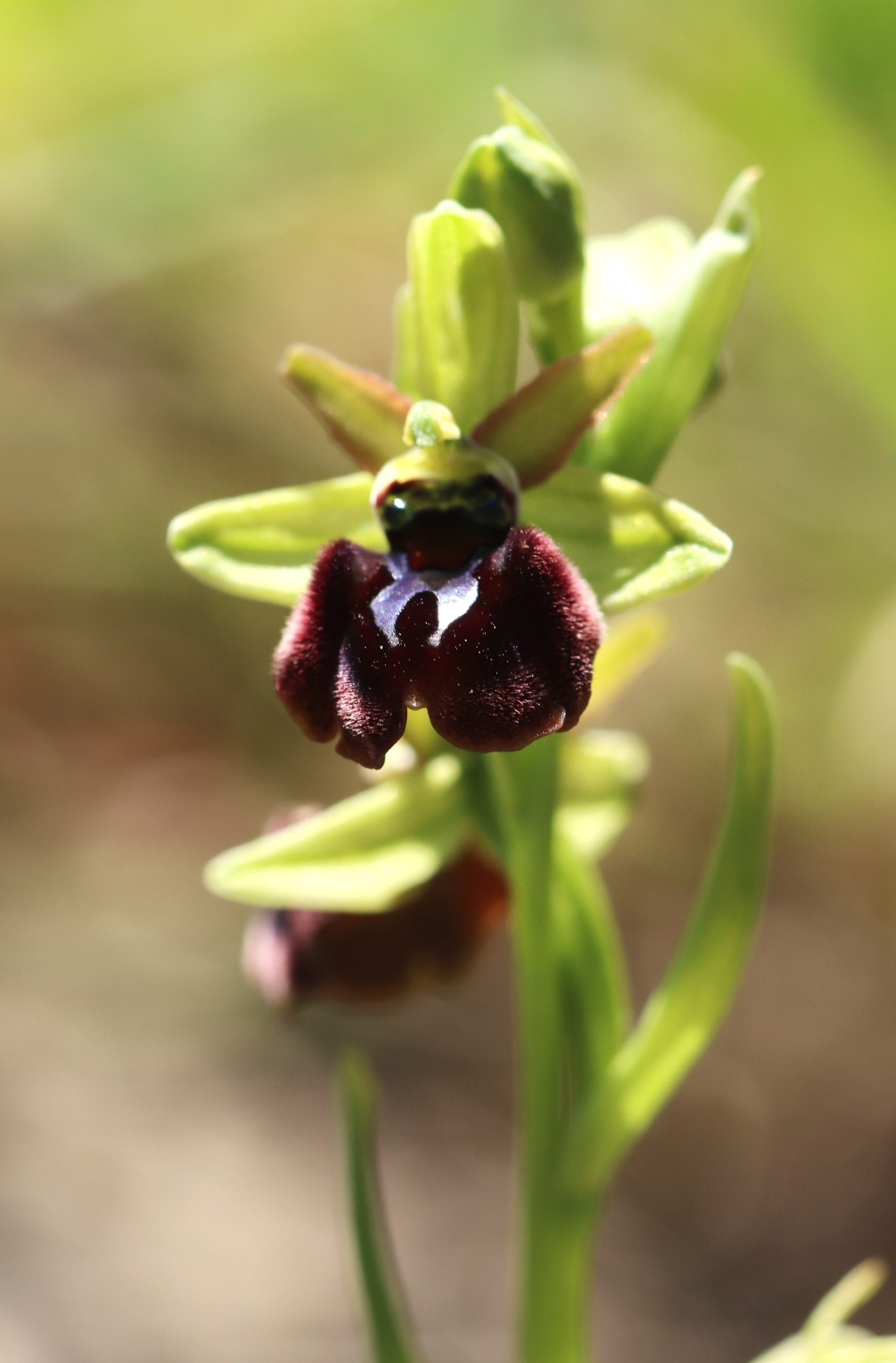
Ophrys pelinaea

Ophrys persephonae

Ophrys polyxo var hypochromatic

Ophrys regis-ferdinandii

Ophrys reinholdii

Ophrys saliarisii

Ophrys schlecteriana

Ophrys sicula

Ophrys sicula ssp. phryganae

Ophrys speculum

Ophrys sphegodes ssp. cretensis

Ophrys sphegodes ssp. zeusii

Ophrys sphegodes ssp.helios

Ophrys spruneri

Ophrys tenthredinifera ssp. dimidiata

Ophrys tenthredinifera ssp. tenthredinifera

Ophrys tenthredinifera.
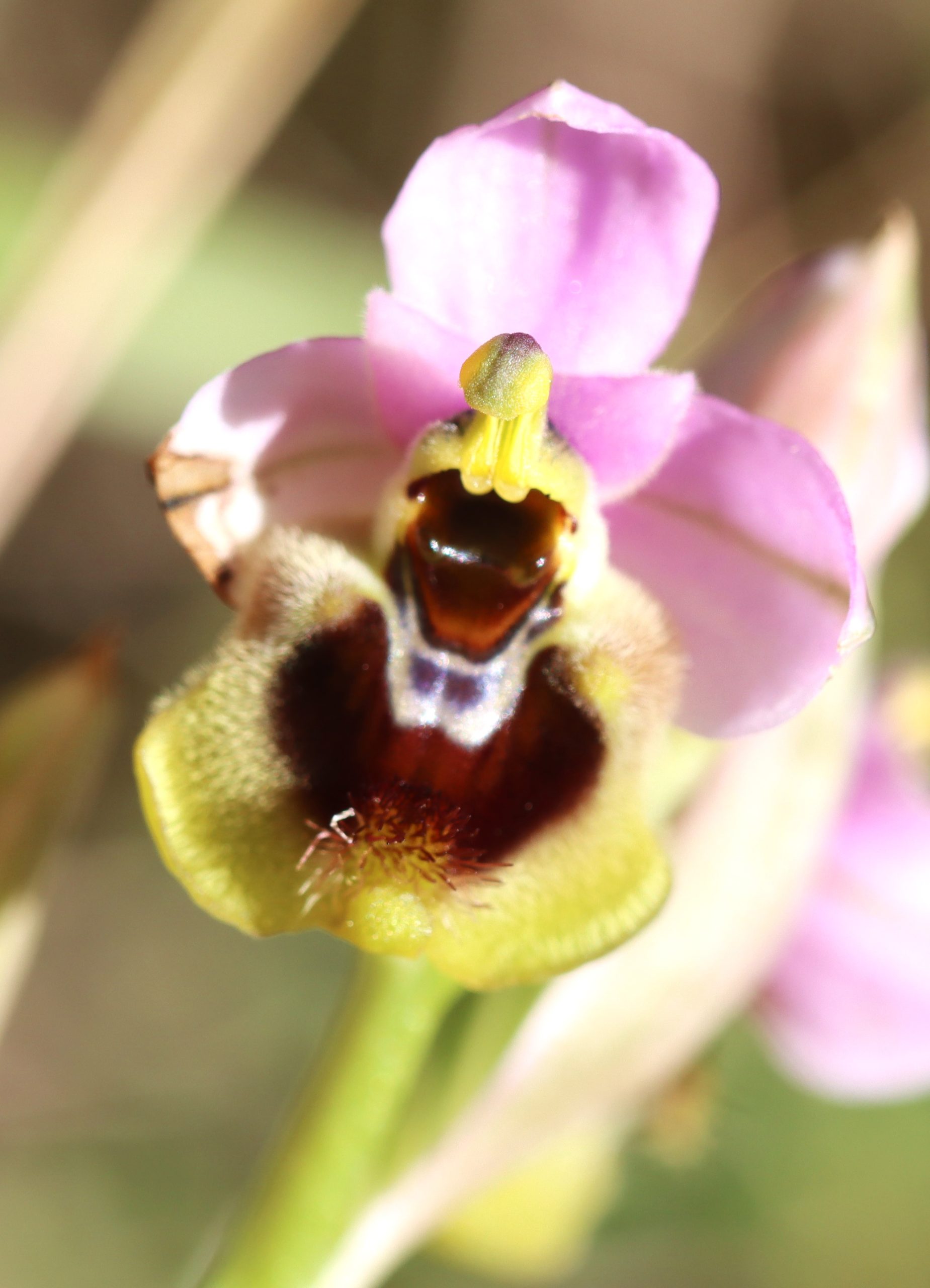
Ophrys transhyrcana

Ophrys umbilicata ssp. attica

Ophrys umbilicata ssp. bucephala
Ophrys umbilicata ssp. rhodia (Cyprus)

Ophrys umbilicata ssp. rhodia (Rhodes)

Ophrys umbilicata ssp. umbilicata

Ophrys villosa ssp. sanctae-marcellae
